A beautiful manicure is not created by colour alone. It is the result of the right products, careful preparation, and good technique. Whether you are doing your own nails at home or working as a professional, understanding what each product does—and how to use it correctly—makes the difference between a manicure that lasts three days and one that lasts three weeks.
What Is Usually Included in a Basic Nail Kit?
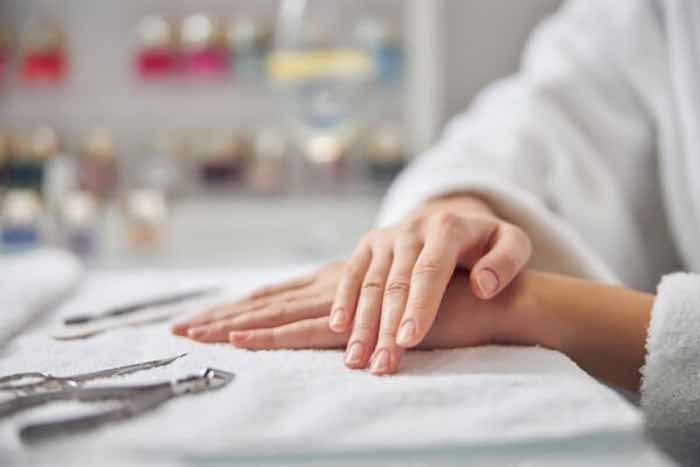
A basic nail kit should contain the core tools for cleaning, shaping, and finishing the nails. Most starter kits include:
- Nail clippers for shortening the nail.
- A nail file for shaping and smoothing the edges.
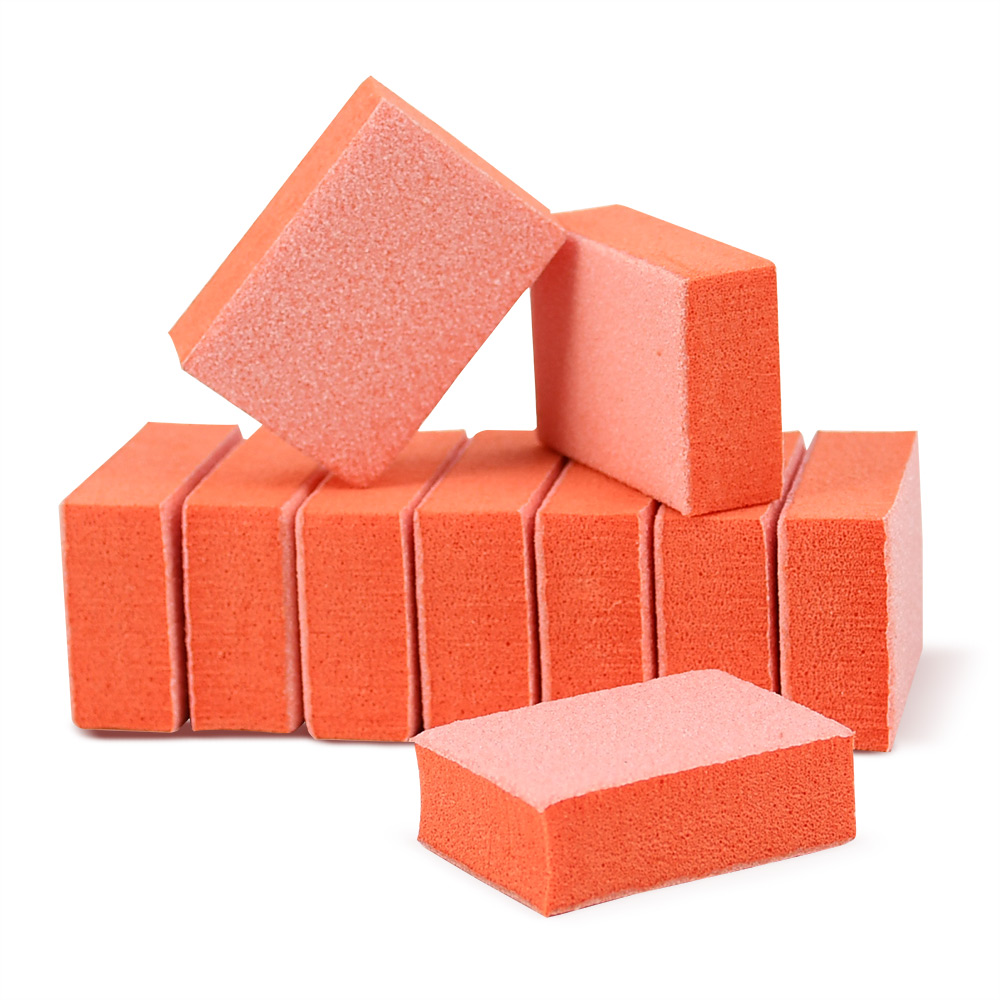
- A buffer block for removing shine and smoothing ridges.
- A cuticle pusher for gently pushing back the cuticle.
- Cuticle nippers for trimming only loose, dead skin.
- A nail brush for cleaning under the free edge and removing dust.
- Lint-free wipes for cleansing the nail plate.
- Cuticle oil for hydration after the manicure.
- Base coat and top coat for protecting the polish.
- Nail polish or gel products, depending on the type of manicure.
More advanced kits may also include an electric nail file, a mandrel, mini sanding bands, a UV/LED lamp, and gel cleanser. A good kit does not need dozens of tools. It needs the right tools, made from quality materials, and used correctly.
Why Nail Files and Buffers Are Important?
The nail file and buffer are two of the most important tools in any kit. They prepare the nail for polish and help the manicure last.
A nail file shapes the free edge and shortens the nail. It also smooths rough edges that can catch on clothing and tear. Always file in one direction—never saw back and forth. Sawing creates micro-tears in the nail layers, which lead to peeling and splitting. For natural nails, use a fine-grit file, usually 180 to 240 grit.
A buffer block does a different job. It gently removes the natural shine from the nail plate, creating a slightly textured surface for polish or gel to grip. It also smooths ridges so the final finish looks even. Buffing should be gentle. Two or three light passes are enough. Over-buffing thins the nail plate and makes it weaker.
Together, the file and buffer turn the natural nail into a clean, smooth canvas. Without them, polish sits on a slippery surface and lifts quickly.
The Role of Mini Sanding Bands in Nail Preparation
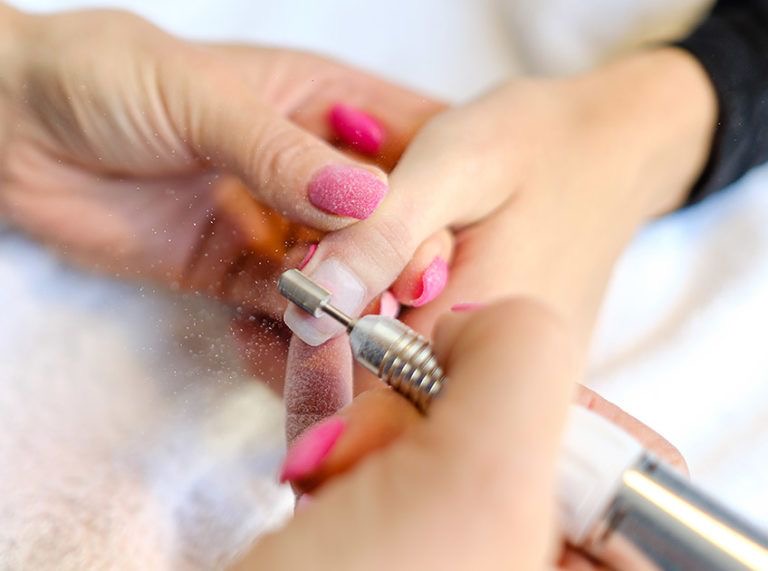
Mini sanding bands are small abrasive sleeves that fit onto a mandrel bit for an electric nail file. They are smaller in diameter than standard bands, which makes them perfect for detailed work.
During nail preparation, mini sanding bands help in several ways. They can gently remove dead cuticle tissue from the nail plate. They can clean the sidewalls without touching the living skin. They can smooth the surface of small nails, and they can refine the area around the cuticle where larger tools cannot reach.
To use them safely, choose a fine grit—usually 180 to 240. Set the e-file to a low speed, around 5,000 to 8,000 RPM. Use light pressure. Keep the band moving at all times. Never hold it in one spot for more than a second. Do not use mini sanding bands on living skin. They are for the nail plate and dead tissue only. Because they are disposable, they also support good hygiene. Use one band per client or per session and then discard it.
Products Needed for a Gel Manicure
Gel manicures require a specific set of products. The basics include:
- A dehydrator or 91% isopropyl alcohol to remove oils and moisture from the nail plate.
- A primer (optional) for clients with oily nail beds.
- A gel base coat to bond the gel to the natural nail.
- Gel colour polish in your chosen shade.
- A gel top coat to seal the colour and add shine.
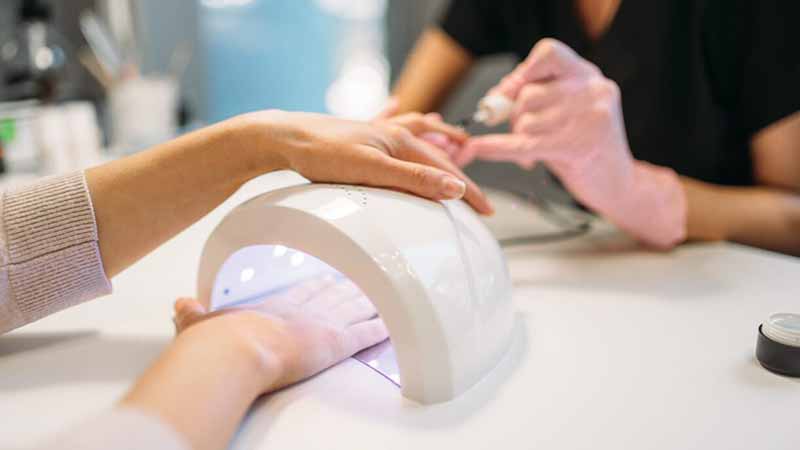
- A UV or LED lamp to cure each layer.
- Lint-free wipes and cleanser to remove the sticky inhibition layer.
- Cuticle oil for aftercare.
If you want added strength, you may also use a builder gel before the colour. Builder gel adds structure and helps weak nails grow without breaking.
What Are Base Coat and Top Coat?
Base coat and top coat are not the same product, and they are not interchangeable.
A base coat is a clear liquid applied directly to the natural nail. Its job is to bond with the nail plate and create a sticky surface for the colour to grip. It also protects the nail from staining. In a gel system, the base coat must be cured under the lamp. It is the foundation of the manicure.
-1024x1024.jpg)
A top coat is applied over the colour. Its job is to seal the colour, add gloss, and provide scratch resistance. It is harder than base coat and forms a protective shell. In a gel system, the top coat is cured under the lamp and may leave an inhibition layer that must be wiped away. Always cap the free edge with top coat to seal the tip.
Using top coat as base coat will cause peeling. Using base coat as top coat will look dull and scratch easily. Keep them separate.
How to Ensure Hygiene and Long-Lasting Results?
Hygiene and longevity go hand in hand. A clean workspace and clean tools protect your health. Good technique protects your manicure.
For hygiene:
- Wash your hands before and after.
- Disinfect metal tools with an EPA-registered solution or 70%+ alcohol.
- Use disposable files, buffers, sanding bands, and wooden sticks. Do not share them.
- Clean your e-file bits and handpiece.
- Wipe your work surface before and after each service.
- Keep gel off the skin. Uncured gel on skin can cause allergic reactions.
For long-lasting results:
- Prepare the nail thoroughly. Shape, push cuticles, buff lightly, remove dust, and dehydrate.
- Do not touch the nail plate after dehydrating.
- Apply thin layers. Thin gel cures evenly and bonds better.
- Cap the free edge with every layer—base, colour, and top coat.
- Keep gel off the cuticles and sidewalls.
- Cure fully using a compatible lamp.
- Apply cuticle oil daily.
- Wear gloves for dishwashing and cleaning.
- Do not use your nails as tools.
- Do not peel lifted gel. Repair it or remove it properly.
Final Thoughts
The right products make a manicure easier, safer, and longer-lasting. A basic kit gives you the essentials. A file and buffer prepare the canvas. Mini sanding bands add precision. Gel products build the structure. Base coat and top coat protect the result. And good hygiene keeps everything safe. With these products and habits, you can achieve a flawless manicure at home or in the salon.
Read also: The Elegance of Short Nails: Why Less Is More and How to Master the Look