
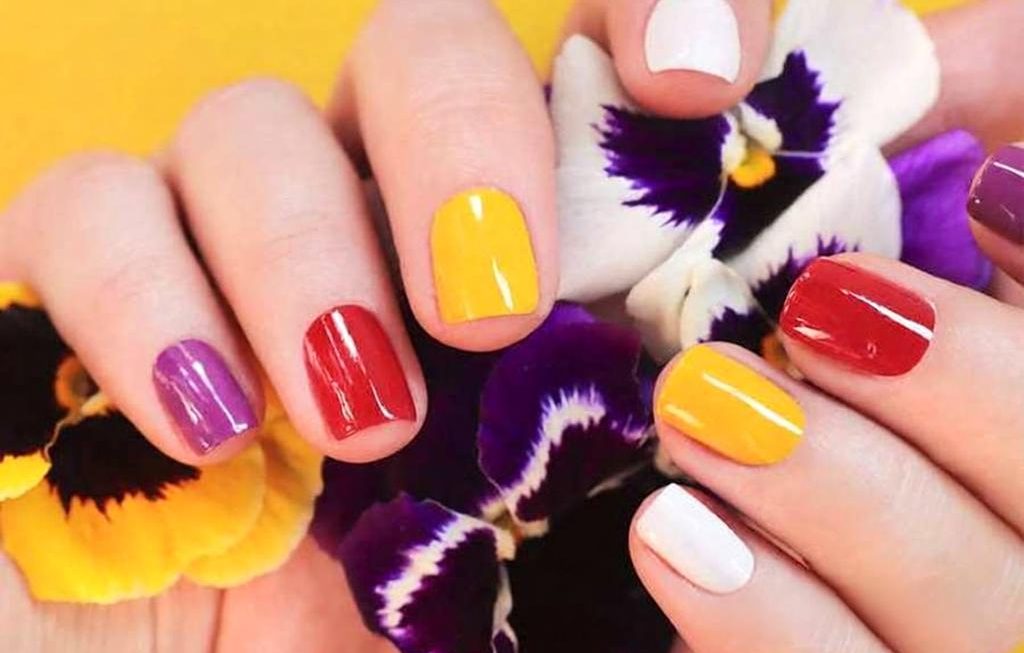
I used to believe that long, dramatic nails were the ultimate symbol of elegance. I spent years trying to grow my nails past my fingertips, only to watch them break, chip, or peel at the worst moments. Then I discovered the quiet sophistication of short nails—and I never looked back.
Here is everything I have learned about short nails: why they are elegant, how to shape them like a professional, the best designs for short nails, common mistakes to avoid, and how to care for them.
Why Short Nails Are a Symbol of Elegance
There is a quiet confidence that comes with short, well-groomed nails. They project a sense of practicality, professionalism, and self-assurance that long nails sometimes lack. Short nails say: “I am put together, but I am also busy, capable, and not afraid to use my hands.”
Short nails are also inherently low-maintenance. They are less likely to snag, break, or interfere with daily tasks. This practicality gives them a timeless appeal that transcends trends. A neatly shaped short nail looks polished and intentional—never trying too hard.
In many professional settings, short nails are the standard. They are neat, hygienic, and do not distract from the work at hand. In a world of maximalist nail art, a clean, short nail stands out by its restraint. It is the nail equivalent of a well-tailored blazer or a classic watch: understated, elegant, and always appropriate.
How to Trim Short Nails Like a Professional
Trimming short nails well is about precision, not length. Here is how to achieve a clean, professional shape.
Start with clean, dry nails. Remove any old polish. Wash your hands and dry them thoroughly. Wet nails are soft and can tear when filed.
Choose your shape. The most flattering shapes for short nails are squoval (square with rounded corners), round, or oval. Squoval is the most popular because it is durable, practical, and universally flattering.
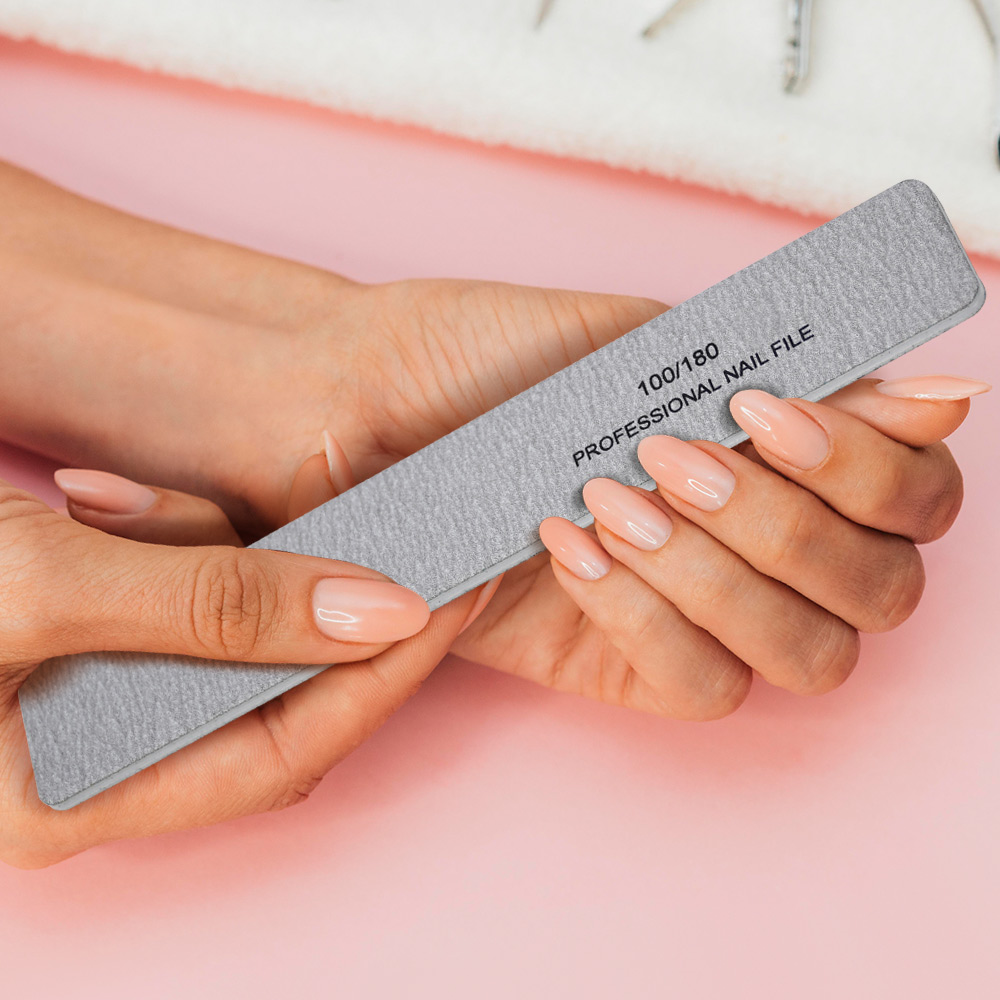
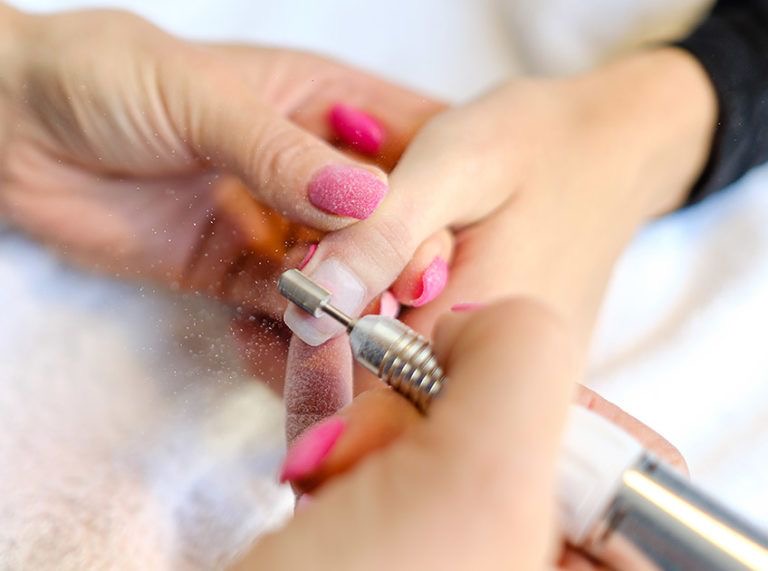
File in one direction. Use a fine-grit nail file (240+) and file from the outer edge toward the centre. Never saw back and forth—this creates micro-tears that lead to peeling. For a squoval shape, file the tip straight across, then gently round the corners. For a round shape, file the tip straight across, then round the corners completely to follow the curve of your fingertip. For an oval shape, file the sides slightly inward and round the tip into a soft oval.
Check symmetry. Look at your nails from multiple angles. Both sides should be even and balanced.
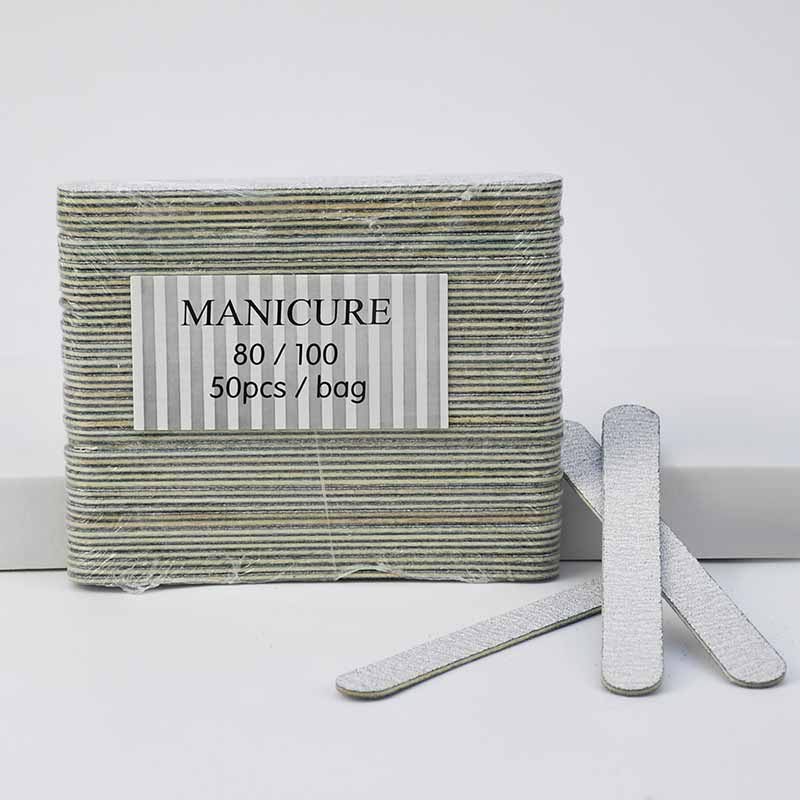
Smooth the edges. Run your finger along the edge of each nail. If you feel any roughness, file gently until smooth.
Creative Nail Art for Short Nails
Short nails are not limited to plain polish. They are the perfect canvas for minimalist, modern designs that enhance rather than overwhelm.
Micro French. An ultra-thin white line at the very edge of the nail. It is subtle, sophisticated, and elongates the fingers. This is one of the most flattering designs for short nails.
Barely-there nudes. A sheer nude or milky white polish creates a clean, polished look that is elegant and low-maintenance. It is the nail equivalent of a no-makeup makeup look.
Minimalist line art. A single thin line, a tiny dot, or a geometric shape adds personality without crowding the nail. This is ideal for short nails because it adds interest without overwhelming the small canvas.
Negative space. Leaving parts of the nail bare creates a modern, airy look that is perfect for short nails. Try a single diagonal line across the nail, leaving the rest bare.
Glossy shine. Sometimes the most striking design is no design at all. A high-gloss, glass-like finish on a short, perfectly shaped nail is timeless.
Color accents. A small patch of colour near the cuticle or a thin line of metallic polish adds a subtle pop without overwhelming the nail.
Common Mistakes with Short Nails
Over-filing the sidewalls. Filing too aggressively at the sides can weaken the nail structure and increase the risk of ingrown nails. Follow the natural curve of your nail bed.
Using dark colours exclusively. Dark colours can make short nails appear smaller. While they can look chic, balance them with lighter shades or minimalist designs.
Neglecting cuticles. Cuticles are more visible on short nails. Dry, ragged cuticles spoil the look. Keep them hydrated with cuticle oil.
Skipping shape maintenance. Short nails need regular shaping. A weekly touch-up keeps them looking neat.
Thinking short nails cannot be elegant. This is the biggest myth. With proper shaping, care, and design, short nails can be just as beautiful as long nails—often more so.
Daily Care for Short Nails
Moisturise daily. Apply cuticle oil at least twice a day. Jojoba oil penetrates the nail plate and keeps both nails and cuticles hydrated.
Wear gloves for wet work. Water and harsh chemicals weaken the nail plate. Protect your nails with gloves for dishwashing and cleaning.
File weekly. A quick touch-up keeps the shape even and prevents snags.
Give your nails breaks from polish. Let them breathe for a few days every month. This allows the nail plate to rehydrate and helps you spot any changes.
Be gentle. Do not use your nails as tools. Short nails are strong, but they can still crack.
The Bottom Line
Short nails are not a compromise—they are a choice. They are practical, professional, and quietly elegant. With the right shape, consistent care, and thoughtful design, short nails can be just as beautiful—and often more sophisticated—than long nails. Embrace the length you have, and let your nails speak for themselves.
Read also: The Science of Nail Lamps: UV vs. LED, How to Choose, and What to Watch For


One thought on “The Elegance of Short Nails: Why Less Is More and How to Master the Look”